
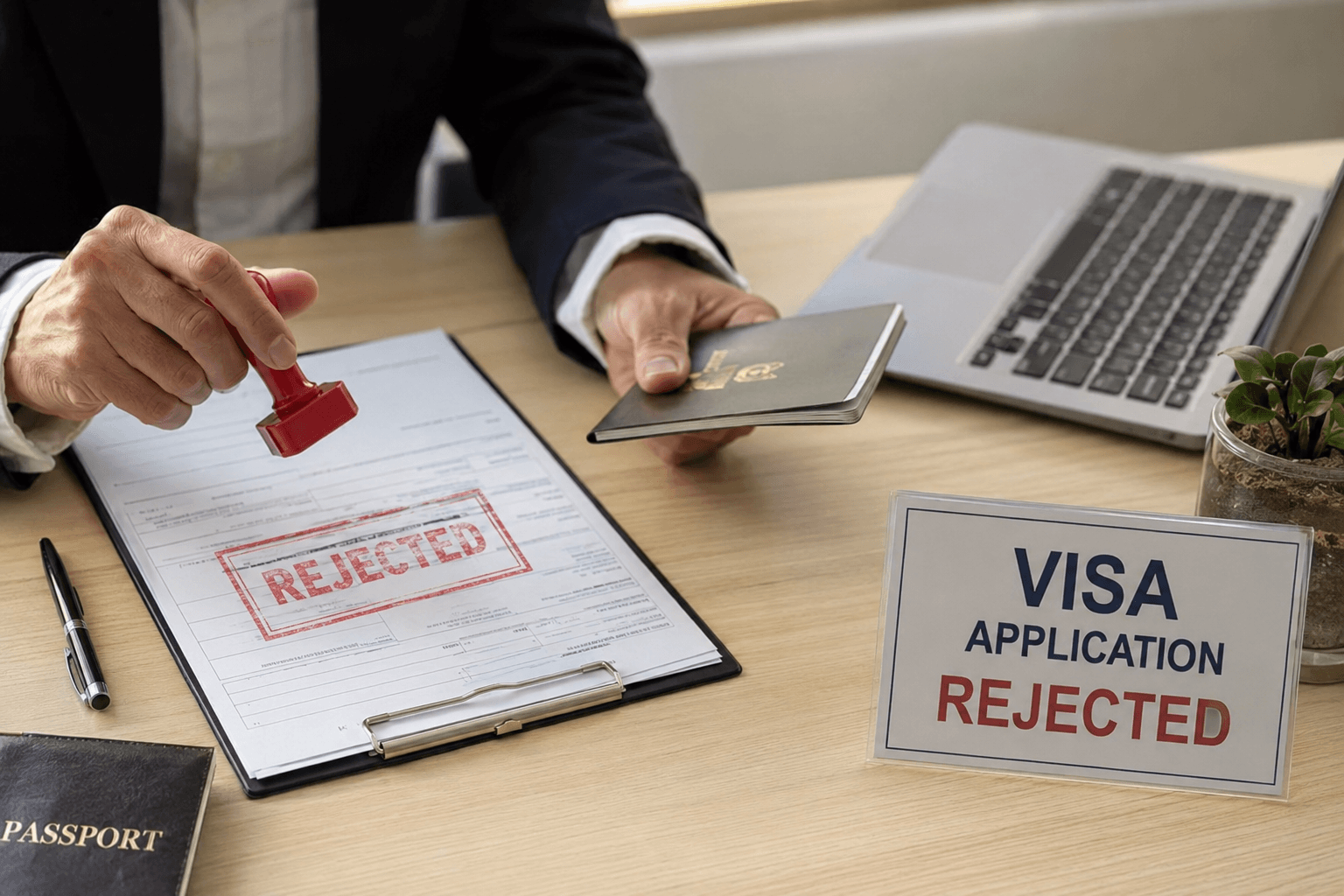
Applying for a visa is an important step when you are planning an international trip. Whether you are traveling for tourism, study, business, or employment, receiving a visa refusal can be disappointing. Fortunately, understanding the reason for visa rejection can help you avoid common mistakes and improve your chances during your next application.
Every country has its own immigration laws and visa policies. However, many reasons for visa refusal are similar worldwide. Immigration officers carefully examine each application to determine whether the applicant meets all legal requirements and intends to follow the conditions of the visa.
In this comprehensive guide, you will know the most common reasons for visa denial, country-specific examples, and practical tips to increase your approval chances.
What Is a Visa Rejection?
A visa rejection occurs when an immigration authority decides not to approve your visa application. The officer may refuse your application because of missing documents, insufficient financial evidence, inaccurate information, or concerns about your travel purpose.
Receiving a refusal does not necessarily mean you can never travel. In many cases, applicants can correct the issues and apply again with stronger supporting documents.
Why Understanding the Reason for Visa Rejection Matters
- When you know the exact reason it will helps you:
- Avoid repeating the same mistakes.
- Prepare stronger supporting documents.
- Improve your future visa applications.
- Save both time and money.
- Increase your visa approval chances.
Instead of submitting another application immediately, carefully review the refusal letter and address every concern raised by the immigration officer.
15 Common Reasons for Visa Rejection
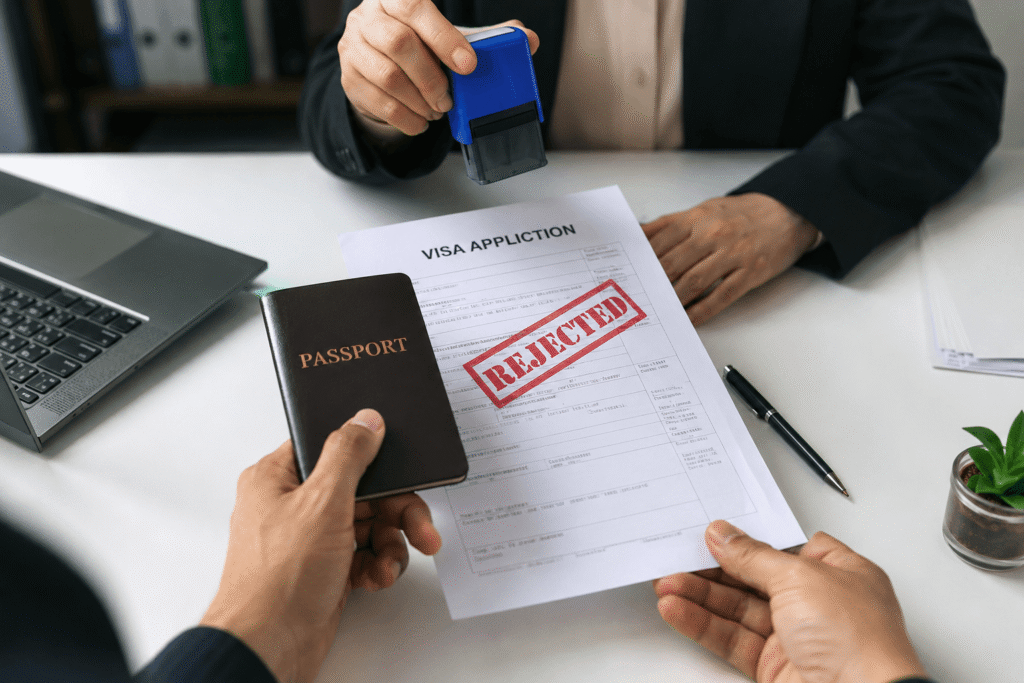
Now are discussing here 15 common reasons for visa rejection, so you need attention and read it carefully.
1. Incomplete Visa Application
One of the biggest reasons why visas are denied is submitting an incomplete application form. Missing signatures, unanswered questions, or incorrect information can lead to immediate rejection.
Always double-check every section before submitting your application.
2. Invalid or Expired Passport
Many countries require your passport to remain valid for at least 06 months beyond your travel date. A damaged or expired passport often results in visa refusal.
Renew your passport before beginning the visa application process.
3. Insufficient Financial Evidence
Immigration officers want to ensure you can support yourself during your stay.
Applicants should provide:
- Recent 06 months bank statements and also bank solvency certificate.
- Salary certificates
- Income tax returns
- Sponsorship documents (if applicable)
- Large unexplained deposits may create suspicion.
4. Unclear Purpose of Travel
Applicants must clearly explain why they are visiting the destination country.
Examples include:
- Tourism
- Business
- Education
- Family visit
- Medical treatment
Supporting documents should match your stated purpose.
5. Fake or Fraudulent Documents
Submitting forged documents is one of the most serious reasons for visa refusal.
Examples include:
- Fake bank statements
- False employment letters
- Counterfeit invitation letters
- Altered educational certificates
Many embassies verify documents directly with banks, employers, universities, and government agencies.
6. Weak Travel History
Applicants with little or no international travel history may face additional scrutiny, especially for countries with strict immigration policies.
Although a weak travel history does not automatically result in rejection, previous lawful travel can strengthen your application.
7. Criminal Record
Some countries may deny visas to applicants with serious criminal convictions.
Applicants should always answer background questions honestly and provide any required legal documents.
8. Previous Immigration Violations
If you previously:
- Overstayed a visa
- Worked illegally
- Violated immigration rules
- Were deported
- Your future applications may receive closer examination.
Always comply with visa conditions when traveling abroad.
9. Lack of Strong Home Country Ties
Immigration officers want evidence that you will return home after your trip.
Strong ties may include:
- Permanent employment
- Business ownership
- Family responsibilities
- Property ownership
- Continuing education
The stronger your connections to your home country, the better your application may appear.
10. Inconsistent Information
Your application, supporting documents, and interview answers should all match.
Differences between documents may raise concerns about credibility.
Always provide honest and consistent information.
11. Poor Visa Interview Performance
Some visa categories require interviews.
Applicants should:
- Answer confidently.
- Speak honestly.
- Avoid memorized responses.
- Bring all required documents.
- Stay calm throughout the interview.
A poor interview may affect the final decision.
12. Inadequate Travel Insurance
Several countries require valid travel insurance covering medical emergencies and hospitalization.
Failure to provide acceptable insurance may result in visa rejection.
13. Missing Supporting Documents
Every visa category requires specific documentation.
Common missing documents include:
- Hotel reservations
- Flight itinerary
- Invitation letter
- Employment certificate
- University admission letter
- Financial proof
Always follow the embassy’s document checklist.
14. Previous Visa Rejections
A previous refusal does not guarantee another rejection, but immigration officers may review earlier applications carefully.
Correct previous mistakes before applying again.
15. Security or Public Interest Concerns
Every country has the right to refuse entry if it believes an applicant could pose a security, public health, or immigration risk.
These decisions are based on each country’s immigration laws.
Thai Visa Rejection Reasons
Thailand generally has a straightforward visa process, but applications may still be refused for several reasons.
Common Thai visa rejection reasons include:
- Incomplete documentation
- Invalid passport
- Insufficient financial proof
- Previous immigration violations
- False information
- Suspicious travel history
- Unclear travel purpose
Applicants should carefully review all embassy requirements before submitting their application.
Malaysia Student Visa Rejection Reasons
International students planning to study in Malaysia should understand the common causes of refusal.
Malaysia student visa rejection reasons include:
- Incomplete admission documents
- Financial inability
- Poor academic records
- Missing medical reports
- Invalid passport
- Incorrect application information
- Failure to meet university requirements
Students should ensure every document is accurate and up to date before applying.
Visa Rejection Reasons USA
The United States follows one of the world’s most detailed visa screening processes.
Common visa rejection reasons USA include:
- Insufficient ties to home country
- Financial concerns
- Inconsistent information
- Missing supporting documents
- Previous immigration violations
- Criminal background
- Security concerns
Every applicant should prepare thoroughly for the visa interview and provide truthful information.
US Visa Application Denial Reasons
US visa application denial reasons vary depending on the visa category.
The most common reasons include:
- Failure to demonstrate non-immigrant intent
- Inadequate financial resources
- Incorrect documentation
- Previous visa violations
- Misrepresentation
- Security or health-related concerns
Understanding the refusal notice can help applicants prepare a stronger future application.
How to Avoid Visa Rejection
Although no visa approval is guaranteed, following these best practices can significantly improve your chances.
- Complete every application carefully.
- Submit genuine supporting documents.
- Maintain sufficient financial evidence.
- Explain your travel purpose clearly.
- Provide consistent information.
- Prepare well for interviews.
- Purchase valid travel insurance if required.
- Follow embassy instructions carefully.
- Apply well before your planned travel date.
- Never submit fake documents.
What Should You Do After a Visa Rejection?
Receiving a refusal is not the end of your travel plans.
First, carefully read the refusal letter. Understand the exact reason why your visa was denied. Correct any mistakes, collect stronger supporting evidence, and only reapply when your application is fully prepared.
Avoid rushing into another application without addressing the original concerns.
Frequently Asked Questions
Can I Apply Again After a Visa Rejection?
Yes. Most countries allow applicants to reapply after correcting the issues that caused the refusal.
Does One Visa Rejection Affect Future Applications?
It may, but it does not automatically prevent future approvals. Honest disclosure and improved documentation are important.
Is a Visa Refusal Permanent?
Not always. Many applicants receive approval after submitting a stronger application.
Can Fake Documents Lead to a Ban?
Yes. Submitting fraudulent documents may result in long-term or permanent immigration consequences in some countries.
Conclusion
Understanding the reason for visa rejection is the first step toward improving your future applications. Whether you are applying for a tourist visa, student visa, work visa, or business visa, careful preparation and honest documentation are essential.
From Thai visa rejection reasons and Malaysia student visa rejection reasons to visa rejection reasons USA and US visa application denial reasons, most refusals occur because of avoidable mistakes. By submitting complete documents, demonstrating financial stability, explaining your travel purpose clearly, and following immigration rules, you can greatly improve your chances of obtaining a visa.
Before submitting any application, review every document carefully, verify all information, and follow the official requirements of the embassy or immigration authority. Proper preparation remains the best way to reduce the risk of visa rejection and enjoy a successful international journey.
Recent Post You May Like:
- Malaysia Visa Agency : Why Choose Valencia Air Travels & Tours Ltd?

- Flight Ticket Verification: How to Check and Confirm Flight Ticket Online
- Best Duffel Bag for International Travel: Guide to Choosing, Packing, and Checking Your Bag

- How to Check ETA Status Online: Sri Lanka ETA Guide
- Top 5 Travel Games for Adults Airplane: Fun Games to Make Journey

- 04 Best Travel Instruments: Portable Musical Instruments for Travelers

- How to Check Flight Ticket with PNR Number: Complete Guide for Travelers

- Is Hard or Soft Luggage Better for Carry-On? The Ultimate Traveler’s Guide

- Largest Suitcase for Checked Luggage: Guide for Smart Travelers
