
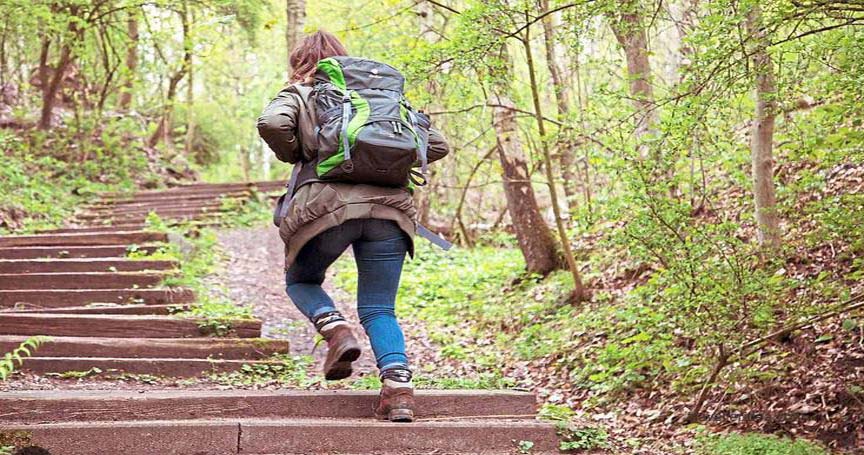
Walking is one of the easiest and healthiest forms of exercise. It requires little equipment, can be done almost anywhere, and provides countless physical and mental health benefits. However, if you want to increase the intensity of your daily walk without running or joining a gym, walking with weights in backpack is one of the best options.
Many hikers, military personnel, fitness enthusiasts, and outdoor adventurers have used weighted backpack walking for years to improve endurance, build strength, and burn more calories. Recently, this simple training method has become increasingly popular among people looking for an efficient workout.
In this guide, you’ll know everything you need to know about walking with weights in backpack, including how much weight to carry, safety precautions, health benefits, and why this exercise may be the perfect addition to your fitness routine.
What is Walking with Weights in Backpack?
Walking with weights in backpack simply means placing extra weight inside a comfortable backpack before going for a walk. The added weight increases the effort your body must produce, making your muscles and cardiovascular system work harder.
Unlike carrying dumbbells or ankle weights, a backpack distributes the load more naturally across your shoulders and hips, reducing unnecessary stress on your joints when used correctly.
This technique is commonly known as rucking, which has long been used in military training and hiking.
Why Walking with Weights in Backpack Suitable for Us
Why walking with weights in backpack suitable for us?
The answer is simple.
Modern lifestyles involve sitting for long hours at offices, schools, or home. Our bodies are designed to move, but inactivity weakens muscles, reduces stamina, and contributes to weight gain.
Walking with a weighted backpack helps solve these problems because it combines strength training and cardio into one simple activity.
It is suitable for several reasons as it:
- Improves everyday strength
- Enhances cardiovascular fitness
- Burns more calories than normal walking
- Requires minimal equipment
- Can be adjusted for beginners or advanced users
- Fits easily into a busy schedule
Whether you’re preparing for hiking, traveling with luggage, or simply improving overall health, this exercise provides practical benefits.
Walking with Heavy Backpack: What Happens to Your Body?
When you begin walking with heavy backpack, your body immediately adapts by engaging more muscles.
Your:
- Legs work harder.
- Core muscles stabilize your posture.
- Back muscles support the extra load.
- Shoulders become stronger.
- Heart pumps more efficiently.
- Lungs increase oxygen delivery.
As a result, your body burns more calories while simultaneously building endurance.
However, “heavy” doesn’t necessarily mean “better.” Carrying excessive weight too soon may lead to fatigue or injury.
Walking with Weighted Backpack Benefits
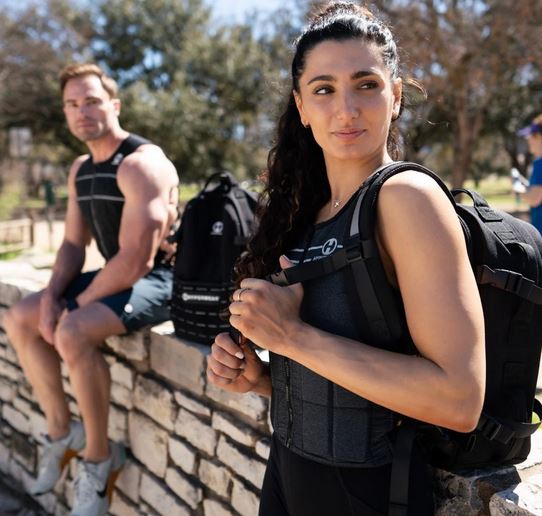
There are many walking with weighted backpack benefits that make this exercise one of the most effective low-impact workouts.
1. Burns More Calories
Adding weight increases energy expenditure. Compared to regular walking, weighted backpack walking can burn significantly more calories because your muscles require additional energy to move the extra load. If weight loss is your goal, this is a simple way to increase calorie burn without increasing walking speed.
2. Builds Functional Strength
Unlike gym machines that isolate muscles, backpack walking develops functional strength used in everyday life.
You’ll strengthen:
- Glutes
- Hamstrings
- Quadriceps
- Calves
- Lower back
- Core
- Upper back
- Shoulders
This strength helps with lifting groceries, climbing stairs, carrying luggage, and outdoor adventures.
3. Improves Cardiovascular Health
Your heart works harder when carrying extra weight.
Regular weighted walking may improve:
- Heart endurance
- Blood circulation
- Oxygen efficiency
- Overall stamina
Over time, your cardiovascular fitness improves without high-impact exercises.
4. Improves Posture
Using a properly fitted backpack encourages you to stand upright.
Maintaining good posture activates your core muscles and reduces slouching habits developed from prolonged sitting.
5. Strengthens Bones
Weight-bearing exercises help stimulate bone growth.
Walking with a weighted backpack increases pressure on your skeletal system, encouraging stronger bones over time.
This can be especially beneficial as people age.
6. Enhances Hiking Performance
If you enjoy traveling, trekking, or mountain hiking, practicing with a weighted backpack prepares your body for carrying luggage over long distances. Many experienced hikers use weighted walking during training.
7. Improves Mental Health
Walking itself reduces stress. Adding a fitness challenge creates greater confidence and a stronger sense of accomplishment.
Many people report:
- Better mood
- Reduced anxiety
- Improved focus
- Better sleep
Is walking with a weighted backpack good exercise?
Absolutely. When performed safely, it combines multiple forms of fitness into one activity.
Benefits include:
- Cardio training
- Strength training
- Balance improvement
- Endurance building
- Calorie burning
- Bone strengthening
Unlike high-impact workouts, it places less stress on the knees than running while still providing excellent conditioning.
How Much Weighted Backpack Walking is Recommended?
One of the biggest beginner questions is:
How much weighted backpack walking should I do?
The answer depends on your fitness level.
- Beginners
- Backpack weight: 5–10% of body weight
- Duration: 20–30 minutes
- Frequency: 2–3 times per week
Intermediate Walkers
- Backpack weight: 10–15% of body weight
- Duration: 30–45 minutes
- Frequency: 3–5 days per week
Advanced Walkers
- Backpack weight: 15–20% of body weight
- Duration: 45–90 minutes
- Frequency: 4–6 days weekly
Avoid increasing weight and distance at the same time. Progress gradually.
Choosing the Right Backpack
A quality backpack makes a significant difference.
Look for:
- Wide padded shoulder straps
- Adjustable chest strap
- Waist belt
- Breathable back panel
- Even weight distribution
- Comfortable fit
Travel backpacks designed for hiking usually perform better than school backpacks.
What Should You Use as Weight?
You don’t need expensive equipment.
Common options include:
- Weight plates
- Sandbags
- Water bottles
- Books
- Rice bags
- Exercise weights
- Wrapped bricks (well-padded for safety)
Pack heavier items close to your back for better balance.
Correct Walking Technique
Proper technique helps prevent injuries.
Stand Tall
- Keep your shoulders relaxed.
- Avoid leaning too far forward.
Engage Your Core
Tighten your abdominal muscles while walking.
This protects your spine.
Keep Small Steps
Short, controlled steps improve balance.
Swing Naturally
- Allow your arms to move naturally.
- Avoid gripping backpack straps continuously.
Land Softly
- Walk heel to toe.
- Avoid stomping.
Common Mistakes to Avoid
Many beginners make simple mistakes.
Avoid:
- Carrying too much weight
- Poor backpack adjustment
- Leaning forward excessively
- Wearing unsuitable shoes
- Ignoring pain
- Walking too fast initially
- Skipping warm-up exercises
Safety Tips
Before every walk:
- Stretch lightly.
- Wear supportive shoes.
- Drink water.
- Check backpack straps.
- Start slowly.
- Walk on stable surfaces.
After walking:
- Stretch your calves.
- Stretch your hamstrings.
- Stretch your hips.
- Hydrate properly.
Walking with Backpack for Travel Preparation
For frequent travelers, backpack walking is excellent preparation.
If you often:
- Carry luggage through airports
- Travel internationally
- Explore cities on foot
- Go trekking
- Backpack across countries
This exercise helps you adapt to carrying travel gear comfortably.
Many experienced travelers include weighted walking in their weekly routine before long trips.
Sample Weekly Walking Plan
Monday
- 25-minute walk
- Light backpack
Tuesday
- Rest or light stretching
Wednesday
- 30-minute walk
- Slightly increased weight
Thursday
Rest
Friday
- 40-minute walk
- Moderate pace
Saturday
- 45-minute walk
- Hilly route if available
Sunday
- Recovery walk without weight
Who Should Avoid Weighted Backpack Walking?
Although beneficial, it isn’t suitable for everyone.
Consult a healthcare professional before starting if you have:
- Severe back pain
- Knee injuries
- Hip problems
- Osteoporosis
- Heart disease
- Recent surgery
- Pregnancy-related concerns
Safety always comes first.
Frequently Asked Questions (FAQs)
Does walking with a weighted backpack burn more calories?
Yes. Carrying additional weight increases energy expenditure, helping you burn more calories than regular walking.
Is walking with a weighted backpack good exercise for beginners?
Yes. Beginners should start with a light load and gradually increase weight as their strength and endurance improve.
How much weighted backpack walking should beginners do?
Start with 5–10% of your body weight for 20–30 minutes, two or three times each week.
Can walking with heavy backpack build muscle?
It strengthens the legs, core, shoulders, and back while improving muscular endurance. Although it won’t replace heavy resistance training for muscle growth, it supports functional strength.
Is weighted backpack walking better than regular walking?
For people seeking higher calorie burn, greater endurance, and improved strength, weighted backpack walking offers more training benefits than ordinary walking.
Final Thoughts
Walking with weights in backpack is one of the simplest ways to improve your fitness without expensive equipment or a gym membership. Whether you’re training for hiking, preparing for international travel, managing your weight, or simply looking to challenge yourself, this exercise offers an effective combination of cardio, strength, and endurance training.
Start with a light backpack, focus on good posture, and increase the weight gradually as your body adapts. Over time, you’ll notice improved stamina, stronger muscles, better posture, and greater confidence in your daily activities.
For travelers, hikers, and outdoor enthusiasts, incorporating weighted backpack walking into your weekly routine is a practical way to prepare for carrying luggage, exploring new destinations, and enjoying longer adventures with less fatigue.
Recent Post You May Like:
- Malaysia Visa Agency : Why Choose Valencia Air Travels & Tours Ltd?

- Flight Ticket Verification: How to Check and Confirm Flight Ticket Online
- Best Duffel Bag for International Travel: Guide to Choosing, Packing, and Checking Your Bag

- How to Check ETA Status Online: Sri Lanka ETA Guide

- Top 5 Travel Games for Adults Airplane: Fun Games to Make Journey

- 04 Best Travel Instruments: Portable Musical Instruments for Travelers
- How to Check Flight Ticket with PNR Number: Complete Guide for Travelers

- Is Hard or Soft Luggage Better for Carry-On? The Ultimate Traveler’s Guide

- Largest Suitcase for Checked Luggage: Guide for Smart Travelers
